
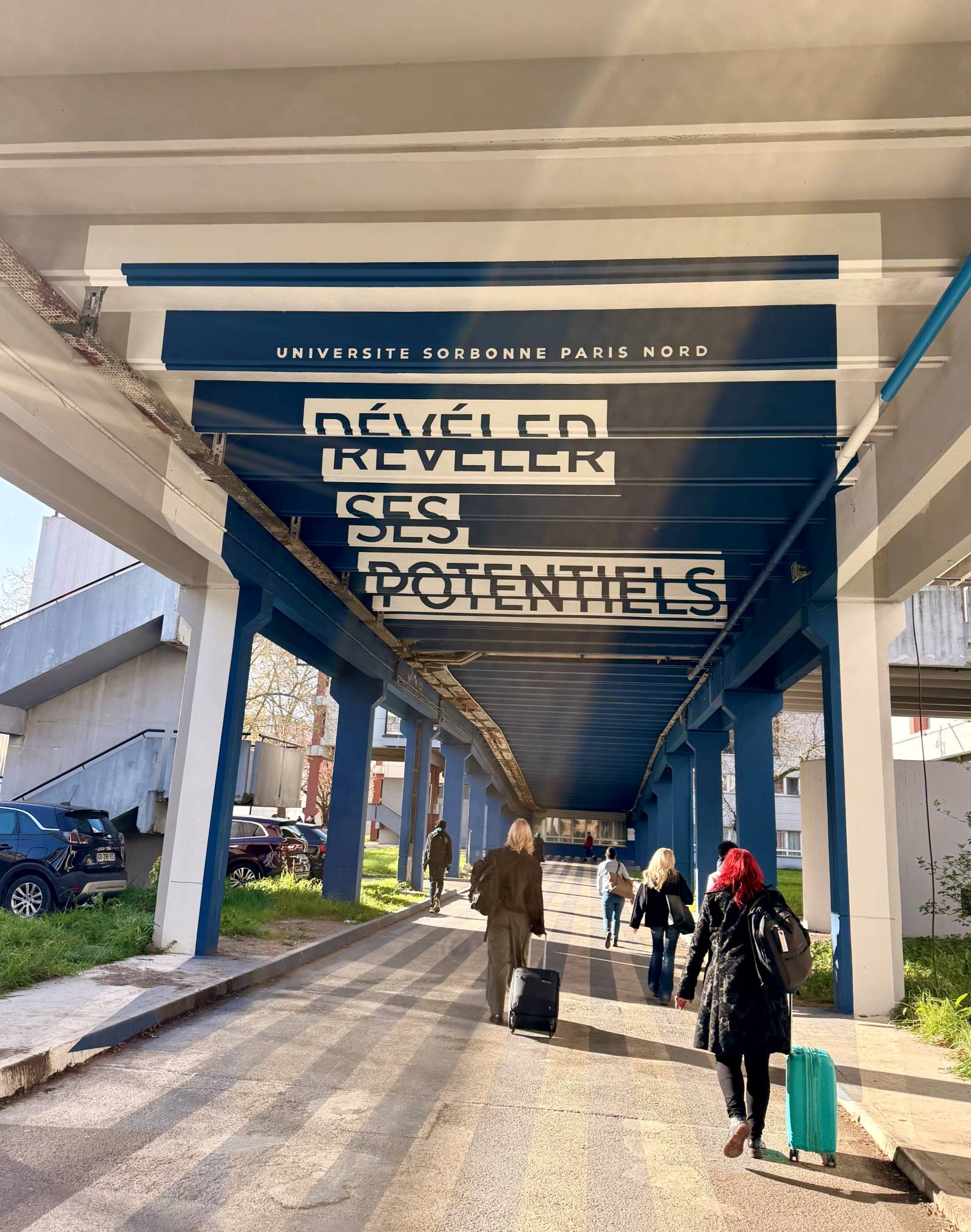
The UNINOVIS Data for L.I.F.E. Alliance is a consortium of eight European higher education institutions, emphasizing data-driven lifelong learning, achieving European excellence, promoting green and digital transitions, and developing integrated innovation ecosystems between universities. The members of the alliance are: Paris Sorbonne Nord University, Technical University of Applied Sciences Würzburg-Schweinfurt, University of Campania Luigi Vanvitelli, Kauno kolegija Higher Education Institution, University of Málaga, University of Tirana, The Hague University of Applied Sciences, and Tampere University of Applied Sciences.
Each member institution will establish its own Excellence Hub, each built around a specific theme. TAMK’s theme is Wellbeing Technologies and Services. The operations of the Excellence Hubs are guided by the Living Lab approach, which integrates into education the collaboration of higher education institutions and research, civil society, businesses, and the public sector. This model, bringing together four different actor groups, is known in innovation research as the Quadruple Helix model.
The purpose of the UNINOVIS Staff Development Week was to introduce all project participants to Living Lab operations, ensuring they have the necessary foundation to develop their own Excellence Hubs and integrate Living Lab methods into both development work and teaching. We had the honor of presenting the WellTech Lab’s testing and co-creation activities as an example of existing expertise and the types of initiatives that can be carried out in Living Labs. In addition to WellTech Lab, the week’s program included presentations on the development of the RestoLab Living Lab as well as the activities and methodology of the Sprint Innovation Week.
In our WellTech Lab presentation, we highlighted activities conducted with students, such as the SoTeKone Hackathon and the collaboration carried out in spring 2025 with automation engineering students on mobile waste and laundry carts. Alongside educational cooperation, we also showcased four company-based testing projects, each exemplifying the Quadruple Helix model in practice. The companies involved in the testing activities were either SMEs or micro-enterprises, representing both startup firms and established medical device developers with products already on the commercial market. All usability and user tests involved the end-users of the products, such as residents of the Pirkanmaa region or healthcare professionals.
The development of the Excellence Hubs and the Living Lab approach inspired extensive discussion among the participants of the BIP week. It was encouraging to observe how concrete examples helped other alliance institutions conceptualize what their own Excellence Hubs could become in the future. For WellTech Lab, the work to establish the Excellence Hub will continue through a more detailed examination of the Living Lab approach and by integrating this approach more deeply into our activities.
Text: Jaana Vainionpää