


Introduction
Climate change and other global sustainability crises challenge higher education institutions (HEIs) to offer studies, which give graduates competence to build a more sustainable future. Solutions.now is a 5 ECTS master’s level intensive project course which develops students’ creative problem-solving skills and collaboration capabilities. The course connects the students’ learning to authentic, working-life–driven challenges, with mentoring as a pedagogical guiding thread. The course is intended for master’s students, who already have knowledge in different areas, which support creating solutions to sustainability challenges.
Solutions.now course has been implemented jointly with Finnish HEIs in previous years (Kostia et al., 2024, Liipola et al., 2026) but in 2026 it was piloted with international partners. The course provided an excellent platform for the international collaboration project CircBioNam where every partner chooses a course with best pedagogical and digital practices and invites other partners’ students and teachers to participate. The expectation is that international collaboration refines the course. Industry-Academia collaboration is also an important topic in the project, including a study trip from Namibia to Finland (Tampere and Turku) to learn how Finnish HEIs collaborate with industry partners (Fig. 1).
This article first explains mentoring as an active learning model and how mentoring is embedded into Solutions.now course implementation. It discusses what kind of development ideas international collaboration brought to already well-established course implementation, which, however, has been developed every year based on students’ and mentors’ feedback.
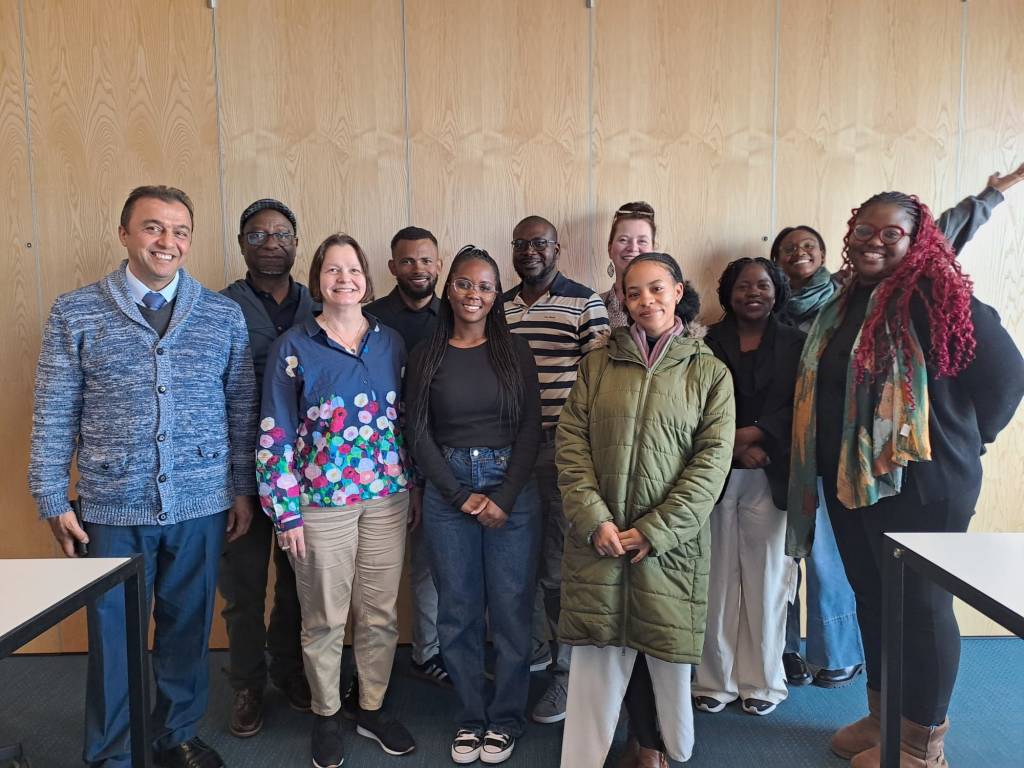
Figure 1 A group photo at the EduCity Campus of Turku University of Applied Sciences (Photo: Noora Norokytö)
Active Learning and Mentoring as a Learning Model
From the outset, Solutions.now, focusing on sustainability, was designed in line with the principles of active learning (see Upola et al., 2020; Juuti et al., 2022). This means that students do not merely absorb content passively; instead, they practice applying knowledge in real contexts. The course encourages students to engage in multidisciplinary, team-based project work where new knowledge is acquired and used flexibly according to project needs. Project-based learning also includes continuous reflection: students assess their progress and learning at different stages, which is a key element of deep learning (Upola et al., 2020). Another important aspect of project-based learning is its emphasis on student-centred learning, which is grounded in four interconnected principles: constructive learning, where students build new knowledge upon their existing understanding; collaborative learning, where knowledge is developed through interaction and cooperation with others; contextual learning, where learning is situated in authentic, real-world contexts; and self-directed learning, where students take an active role in planning, monitoring, and evaluating their own learning process (Cörvers et al., 2016).
The course instructors have adopted roles that differ from traditional lecturing, acting instead as mentors and coaches. In mentoring-oriented pedagogy, the emphasis is on interaction between mentor and learner and on a trust-based learning relationship. The core idea of mentoring is that a more experienced person supports another’s development and learning without providing ready-made answers or doing the work on the actor’s (student’s) behalf; rather, the mentor helps the learner arrive at insights independently by offering perspectives and asking questions (Kanniainen et al., 2017). In this way, students learn to take responsibility for their own learning process and to find solutions grounded in their own thinking.
According to contemporary understanding, mentoring is coaching-oriented guidance rather than one-way knowledge transfer (Kanniainen et al., 2017). Mentoring can take various forms. For example, Kupias (2016) distinguishes organisational mentoring, peer mentoring, and structured mentoring programmes. Organisational mentoring takes place within a work or study community, where a more experienced person supports another, for instance, in career planning or along a study path. Peer mentoring is based on support between individuals at a similar level, such as students sparring and interacting with one another. Structured mentoring networks are formal programmes in which mentors and mentees are purposefully matched. In addition, mentoring can be informal, such as regular discussions with a respected person who provides perspectives on individual growth.
In mentoring conversations, the mentor functions as a kind of mirror: the mentor’s task is to listen, ask questions, and challenge students to reflect, enabling them to articulate and structure their learning and goals (Kanniainen et al., 2017). This approach is particularly well suited to supporting students in clarifying their professional competencies and career plans, as it enables them to recognise and build on their strengths while creating psychological safety and providing both academic and emotional support, thereby enhancing their self-efficacy, confidence, and engagement. Confidence between mentors and students is gradually built through a trusting and supportive relationship that acknowledges cultural diversity, promotes cultural sensitivity, and reduces traditional power hierarchies between mentor teachers and students. At its best, the mentoring relationship is trust-based and student-centred; during the course, the mentor does not act as an assessor, but focuses on supporting the learning process, which lowers the threshold for sharing also unfinished ideas.
From the mentors’ perspective, mentoring is frequently perceived as a rewarding and reciprocal process through which they learn from co-mentors and learn to contribute to students’ academic and personal development while simultaneously refining their own communication, leadership, and reflective practice skills (Baciu, 2026).
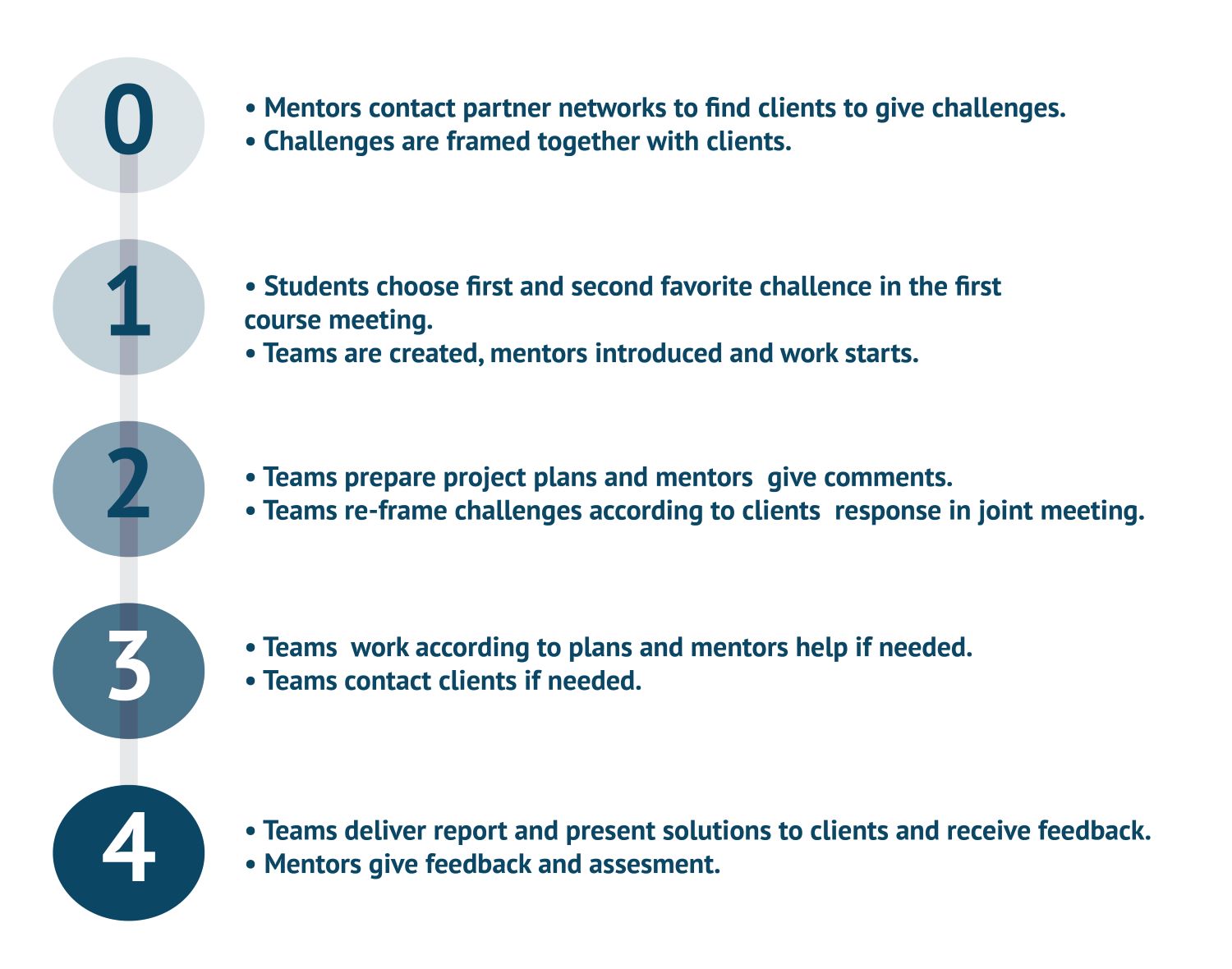
Figure 2 Overview of structure and implementation of Solutions.now course
Experiences and Lessons Learned in International Collaboration for the Next Steps
In Spring 2026 the CircBioNam project brought students from the Namibia University of Science and Technology (NUST) and the University of Namibia (UNAM) and University of Turku (UTU) study in Solutions.now course together with students from Tampere University of Applied Sciences (TAMK) and Turku University of Applied Sciences (Turku UAS), which have offered the course in previous years to their master’s programme students. Overview of the course implementation is presented in Figure 2. Mentors contact the potential clients and frame the challenges to be presented to students. Students choose their first and second favorite challenge and the teams are created based on that. The teams prepare project plan, reframe the challenge together with the client, and contact them if needed while working with the challenge. Mentors are introduced to student teams at the beginning of the course, and they support the work whenever needed. Last step is final presentation of solutions to the clients and assessment (peers, mentors and clients).
Altogether 65 students, divided into 14 multidisciplinary student teams, participated in the course. Eleven of the students were from UNAM and 9 from NUST, and both universities provided one mentor to guide and support the teams. Finnish HEIs were represented by 28 students and two mentors (TAMK), 14 students and two mentors (Turku UAS) and three students and one mentor (UTU). Four clients were involved in the course and from two to five teams developed solutions per challenge.
The joint implementation in spring 2026 marked a step toward a more international learning environment. The intercultural project setting added depth and challenge: finding a shared language and coordinating remote collaboration required flexibility and openness from all participants. By working in international environments and multidisciplinary teams to address real-world sustainability challenges, students develop greater confidence and gain a deeper understanding of how theoretical knowledge can be transformed into practical expertise through experiential learning. This development is reflected in the following student testimony:
“I am proud to say that I have been part of the Solutions.Now 2026 cohort where we got a glimpse of what challenges large companies face and having played a small part in solving some these challenges.”
The role of mentoring became increasingly significant within the international learning environment, as mentors supported student teams in navigating challenges associated with cross-cultural collaboration, geographical distance, and time-zone differences. Despite these challenges, the outcomes were highly encouraging. The diversity of perspectives, experiences, and disciplinary backgrounds within the teams appeared to support innovative approaches to sustainability challenges, while creating opportunities for reciprocal learning among students, mentors, and partner institutions. These findings highlight the value of international and multidisciplinary collaboration in enriching both the learning process and the quality of the solutions developed.
The international context also introduced new challenges for mentoring. Some of the student feedback indicated a need for more structured and mandatory mentoring sessions to support collaboration within culturally diverse and geographically dispersed teams. In previous course implementations, student teams typically took an active role in initiating contact with mentors; however, during the 2026 implementation, several teams engaged less proactively in mentoring activities. Although international students enrolled in Finnish master’s programmes have participated in the course in previous years, this was the first implementation involving students from higher education institutions outside Finland.
Solutions.now is more than a single course. It is a platform for pedagogical development, where new ways of supporting students’ professional growth are explored. Experience shows that an intensive project offers an excellent opportunity to combine self-directed action with guiding mentoring in the context of sustainability challenges. This particularly strengthens students’ strategic thinking, creative problem-solving, and ability to grasp complex systems. These precisely the capabilities required to advance sustainable development (Upola et al., 2020; Juuti et al., 2022).
A project course based on a mentoring model is a strong example of how active learning and student-centred guidance can be combined and mutually reinforced in UAS Master’s education. Mentors give students freedom and responsibility while providing support and security when needed. In this way, students leave the course with their own insights and new skills and ready to translate ideas for sustainable development into practice. The experience provided valuable insights into the opportunities and challenges of international mentoring and project-based learning. As international collaboration is expected to continue, the lessons learned from this pilot implementation will be used to further develop the course design and mentoring practices for the 2027 implementation.
CircBioNam (Promoting circular bioeconomy in higher education by sharing and refining best practices in Finnish-Namibian collaboration) aims to strengthen collaboration between Finnish and Namibian HEIs to promote circular bioeconomy. The project is funded by Team Finland Knowledge (TFK) and implemented in 2025-2027.
References
Baciu, C. (2026). Reframing mentoring in higher education as a cooperative system: Four principles for inclusive and sustainable development. Frontiers in Education, 11. https://doi.org/10.3389/feduc.2026.1819548
Cörvers, R., Wiek, A., de Kraker, J., Lang, D. J., & Martens, P. (2016). Problem-based and project-based learning for sustainable development. In H. Heinrichs, P. Martens, G. Michelsen, & A. Wiek (Eds.), Sustainability science: An Introduction (pp. 349–358). Springer. https://doi.org/10.1007/978-94-017-7242-6_29
Juuti, K., Lavonen, J. & Salmela-Aro, K. (2022). Projektioppiminen vastauksena globaaleihin haasteisiin. Teoksessa K. Juuti, J. Lavonen & K. Salmela-Aro (toim.), Projektioppiminen luonnontieteissä (s. 260–267). Gaudeamus.
Kanniainen, M., Nylund, J. & Kupias, P. (2017). Mentoroinnin työkirja. Helsingin yliopisto.
Kostia, S., Mustonen, K., Nurmi, P., & Tuomela-Pyykkönen, M. (2024). Tiistai-iltaisin kehitettiin ratkaisuja kestävyyshaasteisiin Climate Universityn opintojaksolla. TAMK blogi. Available: https://blogs.tuni.fi/tamkblogi/opiskelu/tiistai-iltaisin-kehitettiin-ratkaisuja-kestavyyshaasteisiin-climate-universityn-opintojaksolla/
Kupias, P. (2016). Toimijuus työssä. Tukena työnohjaus, coaching, mentorointi ja fasilitointi. HY+, Helsinki.
Liipola, J., Luomaranta, T., Kostia, S. & Nurmi, P. (2026). Projektikurssista potkua – yritysyhteistyöllä luovaa strategiaosaamista ja uusia näkökulmia. TAMK-julkaisut. Available: https://sites.tuni.fi/tamk-julkaisut/tekniikka/projektikurssista-potkua-yritysyhteistyolla-luovaa-strategiaosaamista-ja-uusia-nakokulmia-johanna-liipola-toni-luomaranta-silja-kostia-ja-piia-nurmi/
Upola, S., Kangas, M. & Ruokamo, H. (2020). Kohti työelämätaitoja – Ammatillinen opiskelija oppijana työelämän projekteissa. Ammattikasvatuksen aikakauskirja, 22(3), 13–30.
Authors
Silja Kostia
Principal Lecturer
Faculty of Built Environment and Bioeconomy
Tampere University of Applied Sciences
silja.kostia@tuni.fi
ORCID: 0000-0002-8980-4640
Johanna Liipola
Senior Advisor
Sustainable Environment unit, Circular Business Models Research group
Turku University of Applied Sciences
johanna.liipola@turkuamk.fi
ORCID: 0009-0007-3420-5986
Toni Luomaranta
Principal Lecturer
Faculty of Built Environment and Bioeconomy
Tampere University of Applied Sciences
toni.luomaranta@tuni.fi
ORCID: 0000-0003-4968-3730
Piia Nurmi
Senior Lecturer
Sustainable Environment unit, Circular Business Models Research group
Turku University of Applied Sciences
piia.nurmi@turkuamk.fi
ORCID: 0000-0002-9631-448X
Photo: Adobe Stock